by Emmitt Barry, Worthy News Washington D.C. Bureau Chief
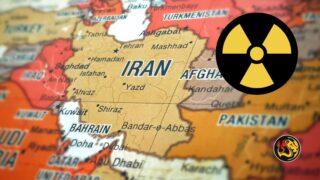
JERUSALEM (Worthy News) – Mossad Director David Barnea said Tuesday that Israel bears a responsibility to ensure Iran never restarts its nuclear program, six months after Israeli and U.S. strikes severely damaged Tehran’s atomic facilities during a 12-day war.
Speaking at an award ceremony honoring Mossad intelligence agents in Jerusalem, Barnea warned that Iran’s nuclear ambitions remain alive despite the military setbacks.
“The idea of continuing to develop a nuclear bomb still beats in their hearts,” Barnea said. “We bear responsibility to ensure that the nuclear project, which has been gravely damaged, in close cooperation with the Americans, will never be activated.”
Barnea, who is set to conclude his term as Mossad chief in June 2026, praised Israel’s surprise opening strikes against Iran, saying they exposed the depth of Israeli intelligence penetration into the Islamic Republic.
“The ayatollahs’ regime awoke, in a single moment, to discover that Iran was entirely exposed and infiltrated,” he said, while cautioning that Tehran has not abandoned its declared goal of destroying the Jewish state.
The Mossad chief expressed deep skepticism toward diplomatic efforts with Tehran, warning against any renewed nuclear agreement.
“Iran believes it can deceive the world once again and implement yet another bad nuclear deal,” Barnea said. “We did not and will not allow a bad deal to come to fruition.”
Western powers have long accused Iran of pursuing nuclear weapons, while Tehran continues to deny the charge. Israel and its allies argue Iran’s uranium enrichment levels have no credible civilian explanation and point to Tehran’s obstruction of international inspections and expansion of its ballistic missile program. When the June war began, Israeli officials said Iran had taken concrete steps toward nuclear weaponization.
The conflict erupted after Israel launched a surprise attack on June 13, following the collapse of U.S.-Iran nuclear talks mediated by Oman. Those negotiations had been underway since April and ended after Israel acted at the close of a 60-day deadline set by U.S. President Donald Trump to halt Iran’s uranium enrichment.
Israel said its sweeping assault on Iran’s senior military leadership, nuclear scientists, enrichment sites, and missile infrastructure was necessary to prevent Tehran from realizing its stated aim of destroying Israel. The United States later joined the campaign, striking three Iranian nuclear facilities.
Iran reported that more than 1,000 people were killed in Israeli strikes. Tehran retaliated by launching more than 500 ballistic missiles and roughly 1,100 drones at Israel, killing 32 people and injuring over 3,000, according to Israeli health officials.
President Trump has repeatedly said U.S. strikes “obliterated” Iran’s nuclear program. However, the Pentagon has assessed that the attacks delayed Iran’s program by one to two years, a conclusion that contradicts an initial classified U.S. intelligence report cited by American media suggesting the setback may have been only a few months.
Iranian Supreme Leader Ayatollah Ali Khamenei has dismissed Trump’s claims, telling the U.S. president to “keep dreaming.”
Copyright 1999-2026 Worthy News. This article was originally published on Worthy News and was reproduced with permission.
The following code is how the above article is generated with the Worthy Suite WordPress Plugin.
[worthy_plugins_news_story_body]This is how you display a story with an image.
Mossad Chief: Israel Must Ensure Iran Never Revives Nuclear Program
by Emmitt Barry, Worthy News Washington D.C. Bureau Chief
JERUSALEM (Worthy News) – Mossad Director David Barnea said Tuesday that Israel bears a responsibility to ensure Iran never restarts its nuclear program, six months after Israeli and U.S. strikes severely damaged Tehran’s atomic facilities during a 12-day war.
Speaking at an award ceremony honoring Mossad intelligence agents in Jerusalem, Barnea warned that Iran’s nuclear ambitions remain alive despite the military setbacks.
“The idea of continuing to develop a nuclear bomb still beats in their hearts,” Barnea said. “We bear responsibility to ensure that the nuclear project, which has been gravely damaged, in close cooperation with the Americans, will never be activated.”
Barnea, who is set to conclude his term as Mossad chief in June 2026, praised Israel’s surprise opening strikes against Iran, saying they exposed the depth of Israeli intelligence penetration into the Islamic Republic.
“The ayatollahs’ regime awoke, in a single moment, to discover that Iran was entirely exposed and infiltrated,” he said, while cautioning that Tehran has not abandoned its declared goal of destroying the Jewish state.
The Mossad chief expressed deep skepticism toward diplomatic efforts with Tehran, warning against any renewed nuclear agreement.
“Iran believes it can deceive the world once again and implement yet another bad nuclear deal,” Barnea said. “We did not and will not allow a bad deal to come to fruition.”
Western powers have long accused Iran of pursuing nuclear weapons, while Tehran continues to deny the charge. Israel and its allies argue Iran’s uranium enrichment levels have no credible civilian explanation and point to Tehran’s obstruction of international inspections and expansion of its ballistic missile program. When the June war began, Israeli officials said Iran had taken concrete steps toward nuclear weaponization.
The conflict erupted after Israel launched a surprise attack on June 13, following the collapse of U.S.-Iran nuclear talks mediated by Oman. Those negotiations had been underway since April and ended after Israel acted at the close of a 60-day deadline set by U.S. President Donald Trump to halt Iran’s uranium enrichment.
Israel said its sweeping assault on Iran’s senior military leadership, nuclear scientists, enrichment sites, and missile infrastructure was necessary to prevent Tehran from realizing its stated aim of destroying Israel. The United States later joined the campaign, striking three Iranian nuclear facilities.
Iran reported that more than 1,000 people were killed in Israeli strikes. Tehran retaliated by launching more than 500 ballistic missiles and roughly 1,100 drones at Israel, killing 32 people and injuring over 3,000, according to Israeli health officials.
President Trump has repeatedly said U.S. strikes “obliterated” Iran’s nuclear program. However, the Pentagon has assessed that the attacks delayed Iran’s program by one to two years, a conclusion that contradicts an initial classified U.S. intelligence report cited by American media suggesting the setback may have been only a few months.
Iranian Supreme Leader Ayatollah Ali Khamenei has dismissed Trump’s claims, telling the U.S. president to “keep dreaming.”
Copyright 1999-2026 Worthy News. This article was originally published on Worthy News and was reproduced with permission.
[worthy_plugins_news_story_title]
<div style="text-align:right; padding:0px 0px 10px 15px; float:right; width:300px;"><img src="[worthy_plugins_news_story_image name=sm_medium]" alt="" /></div>[worthy_plugins_news_story_body]