Third nationwide blackout in nine days deepens hardship as Washington presses Havana for political and religious freedom
by Emmitt Barry, Worthy News Washington D.C. Bureau Chief
HAVANA, CUBA (Worthy News) – Cuba’s national electrical grid collapsed Tuesday, plunging roughly 10 million people into darkness in the communist island’s third major blackout in nine days.
The nationwide failure came as Cuba’s aging power plants struggle with severe fuel shortages following a U.S.-imposed oil blockade. Venezuela had served as Havana’s principal fuel supplier until the United States removed Venezuelan President Nicolás Maduro from power on January 3. Mexico later halted oil shipments to Cuba under pressure from Washington.
The worsening crisis has disrupted transportation, communications, food storage and medical care. In Havana, traffic lights went dark while generators echoed through the capital. Scattered pot-banging protests have also emerged as Cubans voice growing frustration with both the communist government and the prolonged shortages.
Secretary of State Marco Rubio has argued that Cuba’s suffering is rooted not merely in sanctions but in decades of communist corruption and economic mismanagement. In May, Rubio accused Cuba’s ruling elite and the military-controlled GAESA conglomerate of diverting the nation’s wealth while ordinary citizens endure shortages of electricity, fuel and food.
Rubio offered Havana a path toward improved relations with Washington if Cuba permits free multiparty elections, opens its economy and ends the military’s control over much of the country’s commercial life.
Churches Face Surveillance and Harassment
Cuba’s Christians are enduring the crisis while continuing to operate under intense government control.
The U.S. Commission on International Religious Freedom said in its May 2026 assessment that Cuban authorities exercise power over virtually every area of worship and religious practice. Unregistered churches face particularly severe persecution, while pastors and other religious leaders remain vulnerable to surveillance, threats, harassment, detention and imprisonment.
Despite decades of communist repression, Cuba’s churches continue to worship, serve struggling communities and proclaim the Gospel—often with few resources and under the watchful eye of the state.
Copyright 1999-2026 Worthy News. This article was originally published on Worthy News and was reproduced with permission.
The following code is how the above article is generated with the Worthy Suite WordPress Plugin.
[worthy_plugins_news_story_body]This is how you display a story with an image.
Cuba Plunged Into Darkness Again as Church Endures Communist Pressure
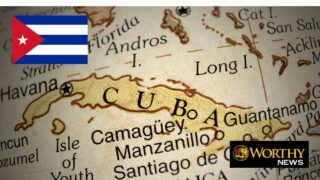
Third nationwide blackout in nine days deepens hardship as Washington presses Havana for political and religious freedom
by Emmitt Barry, Worthy News Washington D.C. Bureau Chief
HAVANA, CUBA (Worthy News) – Cuba’s national electrical grid collapsed Tuesday, plunging roughly 10 million people into darkness in the communist island’s third major blackout in nine days.
The nationwide failure came as Cuba’s aging power plants struggle with severe fuel shortages following a U.S.-imposed oil blockade. Venezuela had served as Havana’s principal fuel supplier until the United States removed Venezuelan President Nicolás Maduro from power on January 3. Mexico later halted oil shipments to Cuba under pressure from Washington.
The worsening crisis has disrupted transportation, communications, food storage and medical care. In Havana, traffic lights went dark while generators echoed through the capital. Scattered pot-banging protests have also emerged as Cubans voice growing frustration with both the communist government and the prolonged shortages.
Secretary of State Marco Rubio has argued that Cuba’s suffering is rooted not merely in sanctions but in decades of communist corruption and economic mismanagement. In May, Rubio accused Cuba’s ruling elite and the military-controlled GAESA conglomerate of diverting the nation’s wealth while ordinary citizens endure shortages of electricity, fuel and food.
Rubio offered Havana a path toward improved relations with Washington if Cuba permits free multiparty elections, opens its economy and ends the military’s control over much of the country’s commercial life.
Churches Face Surveillance and Harassment
Cuba’s Christians are enduring the crisis while continuing to operate under intense government control.
The U.S. Commission on International Religious Freedom said in its May 2026 assessment that Cuban authorities exercise power over virtually every area of worship and religious practice. Unregistered churches face particularly severe persecution, while pastors and other religious leaders remain vulnerable to surveillance, threats, harassment, detention and imprisonment.
Despite decades of communist repression, Cuba’s churches continue to worship, serve struggling communities and proclaim the Gospel—often with few resources and under the watchful eye of the state.
Copyright 1999-2026 Worthy News. This article was originally published on Worthy News and was reproduced with permission.
[worthy_plugins_news_story_title]
<div style="text-align:right; padding:0px 0px 10px 15px; float:right; width:300px;"><img src="[worthy_plugins_news_story_image name=sm_medium]" alt="" /></div>[worthy_plugins_news_story_body]