by Stefan J. Bos, Worthy News Chief International Correspondent
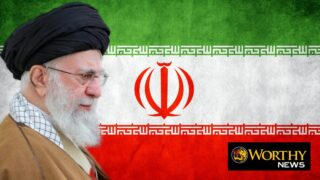
JERUSALEM/TEHRAN (Worthy News) – Government delegations from China, Russia, India, Pakistan and Iraq arrived in Tehran on Friday, where the body of Iran’s slain Supreme Leader Ayatollah Ali Khamenei lay in state.
Clerics, officials, foreign dignitaries and other mourners remembered his 37-year rule as the nation prepared for a week of funeral ceremonies for Khamenei. He was killed in February by U.S. and Israeli airstrikes at the start of a four-month war that reshaped the Middle East and had global repercussions.
Many Christians, dissidents and other religious minorities have said they endured years of suffering under his hardline Islamic rule. The funeral was made possible by a window of opportunity created by a ceasefire negotiated with the United States aimed at ending the war.
Khamenei’s body was expected to be taken to Qom, Najaf, and Kerbala, the great Shiite centers of Iran and Iraq, before being laid to rest Thursday in Mashhad, home to the country’s holiest Shiite shrine.
IRAN FUNERAL CEREMONIES
Authorities said the coffin was unveiled late Thursday before sobbing supporters, with mourners chanting, beating their chests and throwing flowers toward the bier.
On Friday, Khamenei’s coffin, along with those of family members killed with him, was laid in state in the vast prayer hall built to honor his predecessor, Ayatollah Ruhollah Khomeini.
Former Russian President Dmitry Medvedev, He Wei, vice chairman of the Standing Committee of China’s National People’s Congress, Pakistani Prime Minister Shehbaz Sharif and Iraqi President Nizar Amedi were among the foreign leaders and officials attending.
Families of Hezbollah leader Hassan Nasrallah and senior commander Imad Mughniyeh, close Lebanese allies of Iran who were killed in Israeli strikes, also attended the ceremony. Emotional crowds watched the ceremony, as captured in video footage obtained by Worthy News.
STRICT SECURITY MEASURES
Tehran’s streets were tightly controlled, with military and police vehicles lining major roads and members of the Basij paramilitary force patrolling on motorbikes. Iran warned the United States and Israel against launching any attacks during the funeral period.
The funeral comes at a critical moment for Iran, where clerical rulers backed by the Islamic Revolutionary Guard Corps are seeking to project strength after surviving what they viewed as an existential war.
Yet analysts say the Islamic Republic remains deeply fractured after years of crippling sanctions, economic hardship and nationwide protests that were suppressed with deadly force.
Support for the clerical leadership is seen as fragile, while questions remain over the future direction of Iran under new Supreme Leader Mojtaba Khamenei, who has not appeared publicly since reportedly being wounded in the strike that killed his father.
CHRISTIANS FACE PRESSURE
For supporters, Khamenei’s death has reinforced Shiite traditions of martyrdom and sacrifice. Many opponents—including Christians, dissidents and other religious minorities—also view it as the end of an era remembered for decades of repression, strict Islamic rule and restrictions on religious freedom.
However, critics say that without meaningful reforms, Iran’s strict Islamic rule is likely to continue under the country’s new leadership.
Open Doors ranks Iran No. 10 on its 2026 World Watch List of countries where Christians face the most extreme persecution.
The group says Christians who convert from Islam face the harshest persecution in Iran, primarily from the government but also from society and their own families, as authorities view such conversions as a Western effort to undermine the Islamic Republic.
Copyright 1999-2026 Worthy News. This article was originally published on Worthy News and was reproduced with permission.
The following code is how the above article is generated with the Worthy Suite WordPress Plugin.
[worthy_plugins_news_story_body]This is how you display a story with an image.
Government Delegations Arrive In Iran For Khamenei Funeral
by Stefan J. Bos, Worthy News Chief International Correspondent
JERUSALEM/TEHRAN (Worthy News) – Government delegations from China, Russia, India, Pakistan and Iraq arrived in Tehran on Friday, where the body of Iran’s slain Supreme Leader Ayatollah Ali Khamenei lay in state.
Clerics, officials, foreign dignitaries and other mourners remembered his 37-year rule as the nation prepared for a week of funeral ceremonies for Khamenei. He was killed in February by U.S. and Israeli airstrikes at the start of a four-month war that reshaped the Middle East and had global repercussions.
Many Christians, dissidents and other religious minorities have said they endured years of suffering under his hardline Islamic rule. The funeral was made possible by a window of opportunity created by a ceasefire negotiated with the United States aimed at ending the war.
Khamenei’s body was expected to be taken to Qom, Najaf, and Kerbala, the great Shiite centers of Iran and Iraq, before being laid to rest Thursday in Mashhad, home to the country’s holiest Shiite shrine.
IRAN FUNERAL CEREMONIES
Authorities said the coffin was unveiled late Thursday before sobbing supporters, with mourners chanting, beating their chests and throwing flowers toward the bier.
On Friday, Khamenei’s coffin, along with those of family members killed with him, was laid in state in the vast prayer hall built to honor his predecessor, Ayatollah Ruhollah Khomeini.
Former Russian President Dmitry Medvedev, He Wei, vice chairman of the Standing Committee of China’s National People’s Congress, Pakistani Prime Minister Shehbaz Sharif and Iraqi President Nizar Amedi were among the foreign leaders and officials attending.
Families of Hezbollah leader Hassan Nasrallah and senior commander Imad Mughniyeh, close Lebanese allies of Iran who were killed in Israeli strikes, also attended the ceremony. Emotional crowds watched the ceremony, as captured in video footage obtained by Worthy News.
STRICT SECURITY MEASURES
Tehran’s streets were tightly controlled, with military and police vehicles lining major roads and members of the Basij paramilitary force patrolling on motorbikes. Iran warned the United States and Israel against launching any attacks during the funeral period.
The funeral comes at a critical moment for Iran, where clerical rulers backed by the Islamic Revolutionary Guard Corps are seeking to project strength after surviving what they viewed as an existential war.
Yet analysts say the Islamic Republic remains deeply fractured after years of crippling sanctions, economic hardship and nationwide protests that were suppressed with deadly force.
Support for the clerical leadership is seen as fragile, while questions remain over the future direction of Iran under new Supreme Leader Mojtaba Khamenei, who has not appeared publicly since reportedly being wounded in the strike that killed his father.
CHRISTIANS FACE PRESSURE
For supporters, Khamenei’s death has reinforced Shiite traditions of martyrdom and sacrifice. Many opponents—including Christians, dissidents and other religious minorities—also view it as the end of an era remembered for decades of repression, strict Islamic rule and restrictions on religious freedom.
However, critics say that without meaningful reforms, Iran’s strict Islamic rule is likely to continue under the country’s new leadership.
Open Doors ranks Iran No. 10 on its 2026 World Watch List of countries where Christians face the most extreme persecution.
The group says Christians who convert from Islam face the harshest persecution in Iran, primarily from the government but also from society and their own families, as authorities view such conversions as a Western effort to undermine the Islamic Republic.
Copyright 1999-2026 Worthy News. This article was originally published on Worthy News and was reproduced with permission.
[worthy_plugins_news_story_title]
<div style="text-align:right; padding:0px 0px 10px 15px; float:right; width:300px;"><img src="[worthy_plugins_news_story_image name=sm_medium]" alt="" /></div>[worthy_plugins_news_story_body]