Archaeologists say the 2,600-year-old artifact provides the first direct evidence that controversial clay figurines were manufactured inside biblical Jerusalem
by Emmitt Barry, Worthy News Washington D.C. Bureau Chief
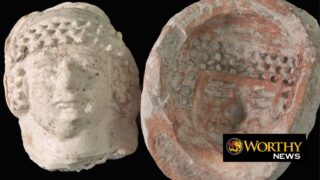
JERUSALEM, ISRAEL (Worthy News) – Archaeologists excavating near Jerusalem’s Tower of David have uncovered a rare clay mold used to produce female figurines during the First Temple period, offering a striking glimpse into the religious struggle that unfolded in the Biblical city during the age of the prophets.
The Israel Antiquities Authority announced Monday that the mold was discovered at the Kishle, a former Ottoman prison located within the Tower of David Museum complex in Jerusalem’s Old City. Researchers date it to the eighth through sixth centuries B.C., the closing centuries of the First Temple period.
According to archaeologists, it is the first production mold of its kind found in ancient Jerusalem—and possibly the first known in Israel for manufacturing this particular type of female figurine. The discovery provides direct evidence that at least some of the thousands of figurines unearthed throughout Judah were produced locally rather than imported into the capital.
The artifact was recovered while workers sifted soil removed from fills and accumulated material dating to the First Temple era.
“The Kishle excavation, which has been ongoing for several years, continues to surprise us time and again,” excavation directors Dr. Amit Re’em and Dr. Ayala Zilberstein said in the Antiquities Authority announcement.
Detailed Face Emerges After Cleaning
After the mold was carefully cleaned by Israel Antiquities Authority conservators, researchers discovered finely formed facial features inside it. A reconstruction cast made from the mold revealed the complete face of a woman with clearly defined eyes and an elaborate curly hairstyle.
The mold was used to make the face of what archaeologists call a Judean Pillar Figurine—a small clay figure commonly found in settlements belonging to the Biblical Kingdom of Judah.
The figurines usually measured between four and eight inches tall. Their bodies and heads were shaped separately by hand, while the face was pressed into a mold. This manufacturing method explains why archaeologists frequently discover the figures broken at the neck. Many were covered with a white coating and originally painted yellow, red and black.
Three principal forms of figurines have been identified from the period: female pillar figures, horse-and-rider figures and animal figures, particularly horses.
Their precise purpose remains disputed. Scholars have variously suggested that they represented a fertility goddess, served as children’s toys or functioned as household amulets intended to provide protection, fertility or blessing. They have been uncovered in homes, streets and burial sites, indicating that they were woven into everyday life rather than confined to formal temples.
Physical Evidence of Biblical Jerusalem’s Spiritual Conflict
The discovery is especially significant because it reflects the spiritual confrontation repeatedly described in the Hebrew Scriptures.
The Biblical prophets warned Judah against combining worship of the God of Israel with idolatrous household practices. Kings such as Hezekiah and Josiah later launched sweeping reforms intended to remove pagan objects, destroy unauthorized shrines and restore exclusive worship of the Lord in Jerusalem.
Eilat Lieber, director and chief curator of the Tower of David Jerusalem Museum, said the mold gives physical form to the world condemned by the prophets.
“You can hold this mold in your hand and see this is what they talked against,” Lieber told JNS, referring to Biblical descriptions of idols that possess eyes but cannot see and mouths but cannot speak.
Lieber said the discovery also demonstrates that figurine production was taking place close to the Temple itself.
“It’s not about bringing figurines to Jerusalem from other places,” she said. “It’s right here in Judea.”
The find does not prove the identity of the woman represented or establish precisely how the objects were used. It does, however, show that an organized process existed for producing them inside Jerusalem during the period when Isaiah, Jeremiah and other prophets were calling the nation away from idolatry.
Israel’s Heritage Minister Rabbi Amihai Eliyahu called the artifact “a tangible glimpse into the world in which the prophets of Israel lived,” linking the discovery to traditional teachings concerning the sins that preceded the destruction of the First Temple.
Museum Wing Planned for 2028
The mold was found near the conclusion of the Kishle excavation, reportedly within the final meter of soil being examined.
It will eventually be displayed in the Tower of David Museum’s new Schulich Wing for Archaeology, Art and Innovation, which is being constructed above the excavated remains. The wing is expected to open in late 2028 and will feature a glass floor allowing visitors to see archaeological layers spanning thousands of years of Jerusalem’s history.
The discovery joins a growing body of archaeological evidence illuminating life in First Temple Jerusalem, where biblical faith, political power and rival forms of worship competed for the heart of the nation.
For believers, the artifact serves as a sobering reminder that the warnings of the prophets were not delivered in an abstract spiritual setting. They spoke into a real city where idols were manufactured, sold, and apparently carried into ordinary homes—within sight of the place where the God of Israel had placed His name.
Copyright 1999-2026 Worthy News. This article was originally published on Worthy News and was reproduced with permission.
The following code is how the above article is generated with the Worthy Suite WordPress Plugin.
[worthy_plugins_news_story_body]This is how you display a story with an image.
Rare First Temple-Era Figurine Mold Discovered in Jerusalem
Archaeologists say the 2,600-year-old artifact provides the first direct evidence that controversial clay figurines were manufactured inside biblical Jerusalem
by Emmitt Barry, Worthy News Washington D.C. Bureau Chief
JERUSALEM, ISRAEL (Worthy News) – Archaeologists excavating near Jerusalem’s Tower of David have uncovered a rare clay mold used to produce female figurines during the First Temple period, offering a striking glimpse into the religious struggle that unfolded in the Biblical city during the age of the prophets.
The Israel Antiquities Authority announced Monday that the mold was discovered at the Kishle, a former Ottoman prison located within the Tower of David Museum complex in Jerusalem’s Old City. Researchers date it to the eighth through sixth centuries B.C., the closing centuries of the First Temple period.
According to archaeologists, it is the first production mold of its kind found in ancient Jerusalem—and possibly the first known in Israel for manufacturing this particular type of female figurine. The discovery provides direct evidence that at least some of the thousands of figurines unearthed throughout Judah were produced locally rather than imported into the capital.
The artifact was recovered while workers sifted soil removed from fills and accumulated material dating to the First Temple era.
“The Kishle excavation, which has been ongoing for several years, continues to surprise us time and again,” excavation directors Dr. Amit Re’em and Dr. Ayala Zilberstein said in the Antiquities Authority announcement.
Detailed Face Emerges After Cleaning
After the mold was carefully cleaned by Israel Antiquities Authority conservators, researchers discovered finely formed facial features inside it. A reconstruction cast made from the mold revealed the complete face of a woman with clearly defined eyes and an elaborate curly hairstyle.
The mold was used to make the face of what archaeologists call a Judean Pillar Figurine—a small clay figure commonly found in settlements belonging to the Biblical Kingdom of Judah.
The figurines usually measured between four and eight inches tall. Their bodies and heads were shaped separately by hand, while the face was pressed into a mold. This manufacturing method explains why archaeologists frequently discover the figures broken at the neck. Many were covered with a white coating and originally painted yellow, red and black.
Three principal forms of figurines have been identified from the period: female pillar figures, horse-and-rider figures and animal figures, particularly horses.
Their precise purpose remains disputed. Scholars have variously suggested that they represented a fertility goddess, served as children’s toys or functioned as household amulets intended to provide protection, fertility or blessing. They have been uncovered in homes, streets and burial sites, indicating that they were woven into everyday life rather than confined to formal temples.
Physical Evidence of Biblical Jerusalem’s Spiritual Conflict
The discovery is especially significant because it reflects the spiritual confrontation repeatedly described in the Hebrew Scriptures.
The Biblical prophets warned Judah against combining worship of the God of Israel with idolatrous household practices. Kings such as Hezekiah and Josiah later launched sweeping reforms intended to remove pagan objects, destroy unauthorized shrines and restore exclusive worship of the Lord in Jerusalem.
Eilat Lieber, director and chief curator of the Tower of David Jerusalem Museum, said the mold gives physical form to the world condemned by the prophets.
“You can hold this mold in your hand and see this is what they talked against,” Lieber told JNS, referring to Biblical descriptions of idols that possess eyes but cannot see and mouths but cannot speak.
Lieber said the discovery also demonstrates that figurine production was taking place close to the Temple itself.
“It’s not about bringing figurines to Jerusalem from other places,” she said. “It’s right here in Judea.”
The find does not prove the identity of the woman represented or establish precisely how the objects were used. It does, however, show that an organized process existed for producing them inside Jerusalem during the period when Isaiah, Jeremiah and other prophets were calling the nation away from idolatry.
Israel’s Heritage Minister Rabbi Amihai Eliyahu called the artifact “a tangible glimpse into the world in which the prophets of Israel lived,” linking the discovery to traditional teachings concerning the sins that preceded the destruction of the First Temple.
Museum Wing Planned for 2028
The mold was found near the conclusion of the Kishle excavation, reportedly within the final meter of soil being examined.
It will eventually be displayed in the Tower of David Museum’s new Schulich Wing for Archaeology, Art and Innovation, which is being constructed above the excavated remains. The wing is expected to open in late 2028 and will feature a glass floor allowing visitors to see archaeological layers spanning thousands of years of Jerusalem’s history.
The discovery joins a growing body of archaeological evidence illuminating life in First Temple Jerusalem, where biblical faith, political power and rival forms of worship competed for the heart of the nation.
For believers, the artifact serves as a sobering reminder that the warnings of the prophets were not delivered in an abstract spiritual setting. They spoke into a real city where idols were manufactured, sold, and apparently carried into ordinary homes—within sight of the place where the God of Israel had placed His name.
Copyright 1999-2026 Worthy News. This article was originally published on Worthy News and was reproduced with permission.
[worthy_plugins_news_story_title]
<div style="text-align:right; padding:0px 0px 10px 15px; float:right; width:300px;"><img src="[worthy_plugins_news_story_image name=sm_medium]" alt="" /></div>[worthy_plugins_news_story_body]