The 6-3 ruling preserves the long-standing interpretation of the 14th Amendment while Justice Kavanaugh says Congress may still have room to act.
by Emmitt Barry, Worthy News Washington D.C. Bureau Chief
(Worthy News) – The U.S. Supreme Court on Tuesday rejected President Donald Trump’s effort to restrict birthright citizenship, preserving a long-standing constitutional interpretation that grants U.S. citizenship to most children born on American soil, including those born to parents who are unlawfully or temporarily present in the country.
In a major setback for Trump’s immigration agenda, the Court ruled 6-3 against the administration’s executive order, which had directed federal agencies not to recognize citizenship for certain children born in the United States unless at least one parent was a U.S. citizen or lawful permanent resident.
Chief Justice John Roberts wrote the majority opinion, joined in full by Justices Amy Coney Barrett, Sonia Sotomayor, Elena Kagan, and Ketanji Brown Jackson. Justice Brett Kavanaugh agreed that Trump’s order could not take effect, though he reached that conclusion on statutory grounds rather than fully joining the majority’s constitutional reasoning. Justices Clarence Thomas, Samuel Alito, and Neil Gorsuch dissented.
“Children born in the United States to parents unlawfully or temporarily present are ‘subject to the jurisdiction’ of the United States and are citizens at birth under the Fourteenth Amendment’s Citizenship Clause,” the Court said.
Roberts said the 14th Amendment’s guarantee was adopted after the Civil War to overturn the Supreme Court’s infamous Dred Scott decision and to ensure that citizenship would not be denied based on race, ancestry, or parentage. The majority also relied on the Supreme Court’s 1898 decision in United States v. Wong Kim Ark, which has long been understood to affirm birthright citizenship for children born in the United States to immigrant parents.
“Citizenship, then and now, was the right to have rights — to freely participate in our political community,” Roberts wrote. “The Framers of the Fourteenth Amendment extended that promise to every free-born person in this land. We keep that promise today.”
Trump issued the executive order on the first day of his second term, arguing that the 14th Amendment had been misread for more than a century and that citizenship should not automatically extend to the children of illegal migrants or temporary visitors. The administration said the change was necessary to combat illegal immigration and so-called “birth tourism,” in which foreign nationals travel to the United States to give birth so their child receives citizenship.
Lower courts quickly blocked the order, finding that it likely violated both the 14th Amendment and federal citizenship law. After the Supreme Court previously limited the use of nationwide injunctions, civil liberties groups pursued a nationwide class-action lawsuit on behalf of affected families, including a Honduran woman identified only as “Barbara.”
Kavanaugh’s concurrence left a notable opening for future legislative action. He wrote that Trump’s executive order conflicted with current federal law, but argued that Congress may have authority to pass legislation creating exceptions to birthright citizenship for children born to parents unlawfully or temporarily in the country.
“Congress could — consistent with the Fourteenth Amendment — amend or otherwise enact new legislation establishing exceptions to birthright citizenship for children born to foreign citizens unlawfully or temporarily in the country. But Congress has not yet done so,” Kavanaugh wrote, according to the case summary provided.
The dissenting justices sharply disagreed with the majority’s reading of the 14th Amendment. Thomas argued that Wong Kim Ark dealt only with the child of parents who were lawfully and permanently domiciled in the United States, while Alito warned that the majority’s ruling extends citizenship to “virtually everyone” born in the country, including children of birth tourists.
The decision is a blow to Trump’s broader effort to reshape immigration policy through executive action. It also places renewed pressure on Congress, where any effort to rewrite federal citizenship law would ignite a fierce constitutional and political battle.
For conservatives focused on border security and national sovereignty, the ruling underscores a difficult reality: the Court has preserved the prevailing interpretation of birthright citizenship, leaving the political branches to pursue stricter border enforcement, visa controls, and legislative reform.
Copyright 1999-2026 Worthy News. This article was originally published on Worthy News and was reproduced with permission.
The following code is how the above article is generated with the Worthy Suite WordPress Plugin.
[worthy_plugins_news_story_body]This is how you display a story with an image.
Supreme Court Upholds Birthright Citizenship, Rejecting Trump Executive Order
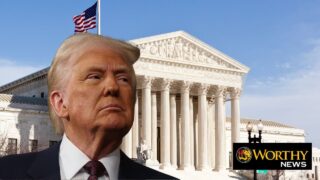
The 6-3 ruling preserves the long-standing interpretation of the 14th Amendment while Justice Kavanaugh says Congress may still have room to act.
by Emmitt Barry, Worthy News Washington D.C. Bureau Chief
(Worthy News) – The U.S. Supreme Court on Tuesday rejected President Donald Trump’s effort to restrict birthright citizenship, preserving a long-standing constitutional interpretation that grants U.S. citizenship to most children born on American soil, including those born to parents who are unlawfully or temporarily present in the country.
In a major setback for Trump’s immigration agenda, the Court ruled 6-3 against the administration’s executive order, which had directed federal agencies not to recognize citizenship for certain children born in the United States unless at least one parent was a U.S. citizen or lawful permanent resident.
Chief Justice John Roberts wrote the majority opinion, joined in full by Justices Amy Coney Barrett, Sonia Sotomayor, Elena Kagan, and Ketanji Brown Jackson. Justice Brett Kavanaugh agreed that Trump’s order could not take effect, though he reached that conclusion on statutory grounds rather than fully joining the majority’s constitutional reasoning. Justices Clarence Thomas, Samuel Alito, and Neil Gorsuch dissented.
“Children born in the United States to parents unlawfully or temporarily present are ‘subject to the jurisdiction’ of the United States and are citizens at birth under the Fourteenth Amendment’s Citizenship Clause,” the Court said.
Roberts said the 14th Amendment’s guarantee was adopted after the Civil War to overturn the Supreme Court’s infamous Dred Scott decision and to ensure that citizenship would not be denied based on race, ancestry, or parentage. The majority also relied on the Supreme Court’s 1898 decision in United States v. Wong Kim Ark, which has long been understood to affirm birthright citizenship for children born in the United States to immigrant parents.
“Citizenship, then and now, was the right to have rights — to freely participate in our political community,” Roberts wrote. “The Framers of the Fourteenth Amendment extended that promise to every free-born person in this land. We keep that promise today.”
Trump issued the executive order on the first day of his second term, arguing that the 14th Amendment had been misread for more than a century and that citizenship should not automatically extend to the children of illegal migrants or temporary visitors. The administration said the change was necessary to combat illegal immigration and so-called “birth tourism,” in which foreign nationals travel to the United States to give birth so their child receives citizenship.
Lower courts quickly blocked the order, finding that it likely violated both the 14th Amendment and federal citizenship law. After the Supreme Court previously limited the use of nationwide injunctions, civil liberties groups pursued a nationwide class-action lawsuit on behalf of affected families, including a Honduran woman identified only as “Barbara.”
Kavanaugh’s concurrence left a notable opening for future legislative action. He wrote that Trump’s executive order conflicted with current federal law, but argued that Congress may have authority to pass legislation creating exceptions to birthright citizenship for children born to parents unlawfully or temporarily in the country.
“Congress could — consistent with the Fourteenth Amendment — amend or otherwise enact new legislation establishing exceptions to birthright citizenship for children born to foreign citizens unlawfully or temporarily in the country. But Congress has not yet done so,” Kavanaugh wrote, according to the case summary provided.
The dissenting justices sharply disagreed with the majority’s reading of the 14th Amendment. Thomas argued that Wong Kim Ark dealt only with the child of parents who were lawfully and permanently domiciled in the United States, while Alito warned that the majority’s ruling extends citizenship to “virtually everyone” born in the country, including children of birth tourists.
The decision is a blow to Trump’s broader effort to reshape immigration policy through executive action. It also places renewed pressure on Congress, where any effort to rewrite federal citizenship law would ignite a fierce constitutional and political battle.
For conservatives focused on border security and national sovereignty, the ruling underscores a difficult reality: the Court has preserved the prevailing interpretation of birthright citizenship, leaving the political branches to pursue stricter border enforcement, visa controls, and legislative reform.
Copyright 1999-2026 Worthy News. This article was originally published on Worthy News and was reproduced with permission.
[worthy_plugins_news_story_title]
<div style="text-align:right; padding:0px 0px 10px 15px; float:right; width:300px;"><img src="[worthy_plugins_news_story_image name=sm_medium]" alt="" /></div>[worthy_plugins_news_story_body]