by Emmitt Barry, Worthy News Washington D.C. Bureau Chief
(Worthy News) – Israeli Prime Minister Benjamin Netanyahu issued a blunt warning to Turkey on Wednesday after Israel struck a Syrian military airbase that Jerusalem says Ankara was preparing to use for an expanded military presence in Syria.
Speaking a day after Israeli aircraft hit the Abu al-Duhur airbase in northwestern Syria, Netanyahu said Israel would not permit a Turkish military buildup in Syria that could threaten the Jewish state.
“Don’t,” Netanyahu said in English, describing the message Israel had conveyed to Turkey. “The message was conveyed but apparently they didn’t hear it, so we made sure they understood it more clearly.”
Israel carried out at least eight strikes early Tuesday against the airbase, damaging runways and hangars but causing no reported casualties. The facility lies roughly 45 miles from the Turkish border.
Netanyahu’s office said Syria had been on the verge of violating an existing security understanding by allowing Turkish troops to deploy at the airbase.
“Israel will not tolerate a Turkish military establishment in Syria that threatens Israel,” Netanyahu said.
Turkish Delegation Visited Base Before Strike
Syrian officials confirmed that a Turkish military delegation visited Abu al-Duhur shortly before the Israeli attack, underscoring Jerusalem’s concerns about Ankara’s expanding role in Syria.
Turkey has emerged as one of the strongest foreign supporters of Syrian President Ahmed al-Sharaa following the fall of Bashar Assad’s government in December 2024. Ankara has been training Syrian forces, supplying military assistance and helping Damascus rebuild state and defense institutions.
Turkey and Syria also signed a military cooperation agreement in 2025, deepening Ankara’s influence inside the country. Israel has increasingly viewed that growing Turkish footprint as a potential strategic threat, particularly if Turkish forces or advanced weapons systems are positioned closer to Israel.
The latest strike follows earlier Israeli action against Syrian military installations that Turkey had reportedly examined for possible deployment. Reuters reported in April 2025 that Turkish teams had assessed at least three Syrian airbases before Israel struck the facilities, highlighting a developing Israeli-Turkish competition over Syria’s post-Assad security architecture.
Turkey Rejects Israeli Claims
Ankara sharply rejected Israel’s allegations Wednesday, accusing Netanyahu’s government of using the Turkish issue to justify attacks on Syrian territory.
Turkey’s presidency described Israel’s accusations as “untenable” and said Ankara would continue cooperating with Damascus in efforts to stabilize and rebuild Syria.
Syrian Foreign Minister Asaad al-Shaibani also disputed Israel’s interpretation, saying Damascus had told Israeli officials before the attack that there were no plans to establish a permanent Turkish base at Abu al-Duhur.
However, Reuters reported Wednesday that Mossad Director Roman Gofman spoke directly with Shaibani on August 14, just four days before the attack, with Turkey’s growing military role in Syria forming a major part of the discussion.
Washington Moves to Prevent Israeli-Turkish Clash
The incident has raised concern in Washington that two major regional military powers could eventually stumble into direct confrontation inside Syria.
U.S. special envoy Tom Barrack criticized the Israeli attack as an “unnecessary escalation” and said Washington is working to establish a formal deconfliction mechanism involving Israel, Turkey and Syria.
Israel and Turkey already established a communications channel last year aimed at preventing accidental military clashes in Syria, but the latest confrontation demonstrates how quickly their competing strategic interests are hardening.
For Jerusalem, the message is increasingly clear: Israel may tolerate a rebuilt Syrian government, but it does not intend to allow Syria to become a forward military platform for Turkey or another regional power capable of threatening Israel’s northern frontier.
Copyright 1999-2026 Worthy News. This article was originally published on Worthy News and was reproduced with permission.
The following code is how the above article is generated with the Worthy Suite WordPress Plugin.
[worthy_plugins_news_story_body]This is how you display a story with an image.
Netanyahu Warns Turkey After Israeli Strike on Syrian Airbase: ‘Don’t’
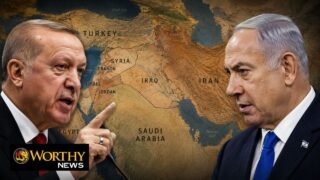
by Emmitt Barry, Worthy News Washington D.C. Bureau Chief
(Worthy News) – Israeli Prime Minister Benjamin Netanyahu issued a blunt warning to Turkey on Wednesday after Israel struck a Syrian military airbase that Jerusalem says Ankara was preparing to use for an expanded military presence in Syria.
Speaking a day after Israeli aircraft hit the Abu al-Duhur airbase in northwestern Syria, Netanyahu said Israel would not permit a Turkish military buildup in Syria that could threaten the Jewish state.
“Don’t,” Netanyahu said in English, describing the message Israel had conveyed to Turkey. “The message was conveyed but apparently they didn’t hear it, so we made sure they understood it more clearly.”
Israel carried out at least eight strikes early Tuesday against the airbase, damaging runways and hangars but causing no reported casualties. The facility lies roughly 45 miles from the Turkish border.
Netanyahu’s office said Syria had been on the verge of violating an existing security understanding by allowing Turkish troops to deploy at the airbase.
“Israel will not tolerate a Turkish military establishment in Syria that threatens Israel,” Netanyahu said.
Turkish Delegation Visited Base Before Strike
Syrian officials confirmed that a Turkish military delegation visited Abu al-Duhur shortly before the Israeli attack, underscoring Jerusalem’s concerns about Ankara’s expanding role in Syria.
Turkey has emerged as one of the strongest foreign supporters of Syrian President Ahmed al-Sharaa following the fall of Bashar Assad’s government in December 2024. Ankara has been training Syrian forces, supplying military assistance and helping Damascus rebuild state and defense institutions.
Turkey and Syria also signed a military cooperation agreement in 2025, deepening Ankara’s influence inside the country. Israel has increasingly viewed that growing Turkish footprint as a potential strategic threat, particularly if Turkish forces or advanced weapons systems are positioned closer to Israel.
The latest strike follows earlier Israeli action against Syrian military installations that Turkey had reportedly examined for possible deployment. Reuters reported in April 2025 that Turkish teams had assessed at least three Syrian airbases before Israel struck the facilities, highlighting a developing Israeli-Turkish competition over Syria’s post-Assad security architecture.
Turkey Rejects Israeli Claims
Ankara sharply rejected Israel’s allegations Wednesday, accusing Netanyahu’s government of using the Turkish issue to justify attacks on Syrian territory.
Turkey’s presidency described Israel’s accusations as “untenable” and said Ankara would continue cooperating with Damascus in efforts to stabilize and rebuild Syria.
Syrian Foreign Minister Asaad al-Shaibani also disputed Israel’s interpretation, saying Damascus had told Israeli officials before the attack that there were no plans to establish a permanent Turkish base at Abu al-Duhur.
However, Reuters reported Wednesday that Mossad Director Roman Gofman spoke directly with Shaibani on August 14, just four days before the attack, with Turkey’s growing military role in Syria forming a major part of the discussion.
Washington Moves to Prevent Israeli-Turkish Clash
The incident has raised concern in Washington that two major regional military powers could eventually stumble into direct confrontation inside Syria.
U.S. special envoy Tom Barrack criticized the Israeli attack as an “unnecessary escalation” and said Washington is working to establish a formal deconfliction mechanism involving Israel, Turkey and Syria.
Israel and Turkey already established a communications channel last year aimed at preventing accidental military clashes in Syria, but the latest confrontation demonstrates how quickly their competing strategic interests are hardening.
For Jerusalem, the message is increasingly clear: Israel may tolerate a rebuilt Syrian government, but it does not intend to allow Syria to become a forward military platform for Turkey or another regional power capable of threatening Israel’s northern frontier.
Copyright 1999-2026 Worthy News. This article was originally published on Worthy News and was reproduced with permission.
[worthy_plugins_news_story_title]
<div style="text-align:right; padding:0px 0px 10px 15px; float:right; width:300px;"><img src="[worthy_plugins_news_story_image name=sm_medium]" alt="" /></div>[worthy_plugins_news_story_body]